

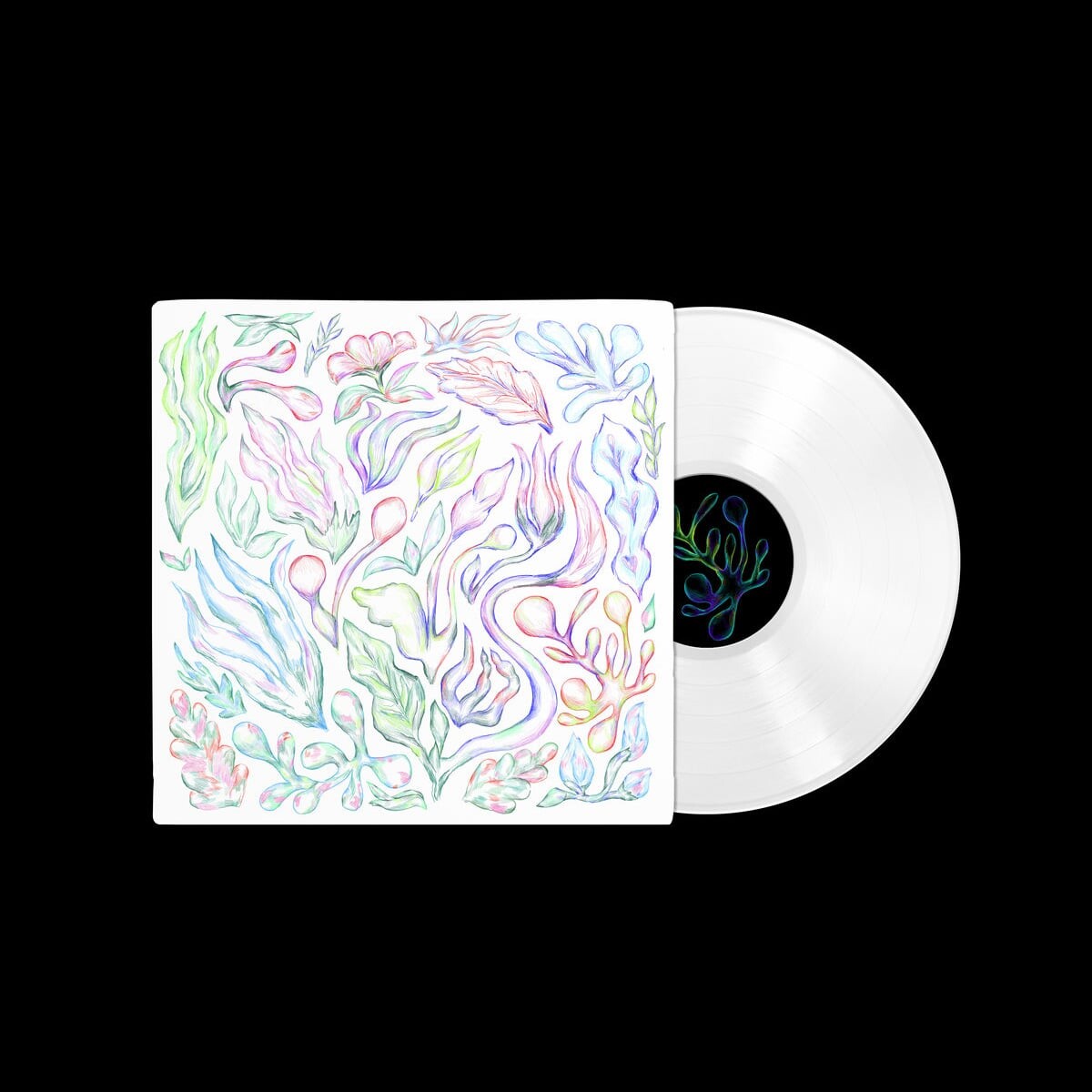
- LP
- Pick Up
- Recommended
- New Release
Various - Auntie Flo
Plants Can Dance
A State of Flo
- Cat No: ASOF014V
- updated:2026-07-27
植物が発する微細な電気信号(バイオエレクトロニシティー)や、自然界からの信号を感知し、それをリアルタイムで音や音楽に変換する「バイオソニフィケーション」と呼ばれるプロセスを使用し、創造的な可能性を探求したというコンピレーション。Auntie FloのBrian d'Souzaによるキューレーション「Plants Can Dance」。イギリスやインド、セネガルやアルゼンチンなどなど、世界各地の音楽家たちが参加。自然の中の生命の営みの美しさ、力強さが音へと変換され、封入されている様な魅力があります。(サイトウ)
Track List
-
Brian d'Souza - Hector's Sunflower (Edit)
-
Jason Singh - Tsubaki
-
Modern Biology & Zekarias Musele Thompson - Growing Roots
-
Justin Wiggan & Arve Henriksen - A Spectral Wind
-
Helen Anahita Wilson - Porcupine and the Outdoor Girls (Dr Who Mix)
-
OMMA - voices
-
Lamine - Bougainvillea
-
Bit Marten - Sansevieria
-
Balam - Ixora Coccinea
-
Brian d'Souza & Lamine - Monstera Vs SnakePlant
Curated by Brian d'Souza (aka Auntie Flo), Plants Can Dance is a forthcoming new compilation bringing together a global community of artists, exploring the creative possibilities of biosonification - transforming signals from plants, ecosystems and the natural world into sound. Out June 26th, the project marks the culmination of several years of d'Souza’s work across music, ecology and technology. The album arrives at a time when more artists are turning toward nature as both subject and collaborator, such as Brian Eno’s Earth Percent, which formally recognises “Nature” as an artist. Plants Can Dance sits within a wider cultural shift, which is redefining the relationship between sound and the living world. The project builds on several years of work by d'Souza, whose Plants Can Dance events have taken place across the UK, Europe, India and Africa, appearing in institutions including the V&A, Tate and the Design Museum. What began as a series of intimate gatherings has since evolved into a global platform, reflecting a growing appetite for work that reconnects music with the natural world. The compilation features contributions from leading practitioners including Modern Biology (Tarun Nayar) in collaboration with saxophonist Zekarias Musele Thompson, OMMA (Olga Maximovam founder of Playtronica), Jason Singh, Dr Helen Anahita Wilson, Justin Wiggan in collaboration with celebrated Norwegian jazz musician Arve Henriksen, Lamine Touré, Bit Marten and Balam, alongside new work from d'Souza himself. Using a range of tools - from commercially available devices to bespoke modular systems - artists translate electrical activity, environmental data and organic processes into musical material. The processes behind each piece differ - from interpreting plant biodata to translating wind patterns into compositional structures - and the results are as varied as they are compelling. The record spans ambient, jazz, electronica and modern classical, yet all pieces are unified by a shared intent: to reimagine music as a space of collaboration between human and more-than-human worlds. At the core of Plants Can Dance is a question about how we define music, and how we choose to listen. Traditional musical forms, with their fixed tempos and predictable structures, give way here to something more fluid and less easily controlled. The listener is invited to surrender expectation and engage with sound as an evolving environment rather than a linear narrative. In this context, the compositions function as what d'Souza describes as “acoustic ecologies” - sonic systems shaped by biological, environmental and elemental forces unfolding in real time. Accompanying the release is a printed zine offering reflections from each artist, and deeper insight into the ideas and debates surrounding this practice. Rather than presenting definitive answers, Plants Can Dance positions itself as an artistic exploration grounded in curiosity, experimentation and critical thought. Ultimately, Plants Can Dance is less concerned with proving whether plants “make music” than with changing how we listen. By inviting audiences to engage with sound shaped by non-humans, it opens up new ways of perceiving the environments we inhabit - not as passive backdrops, but as active, dynamic participants in a shared ecological network. In doing so, it offers a quietly radical proposition: that by listening differently, we might begin to relate to the natural world differently too.
『ブライアン・ド・ソウザ(別名:アンティ・フロー)がキュレーションを手がける『Plants Can Dance』は、世界中のアーティストたちが集結し、植物や生態系、自然界からの信号を音へと変換する「バイオソニフィケーション」の創造的な可能性を探求する、まもなくリリースされる新作コンピレーションアルバムです。 6月26日にリリースされるこのプロジェクトは、音楽、生態学、テクノロジーの分野にまたがるd'Souzaの数年にわたる活動の集大成となる。このアルバムは、ブライアン・イーノの『Earth Percent』が「自然」をアーティストとして正式に認定したように、より多くのアーティストが自然を題材として、また共同制作者として注目し始めている時期に登場するものだ。 『Plants Can Dance』は、音と生命の世界との関係を再定義しつつある、より広範な文化的変容の一環に位置づけられる。このプロジェクトは、d'Souzaによる数年にわたる活動に基づいており、彼が主催する「Plants Can Dance」イベントは、英国、ヨーロッパ、インド、アフリカ各地で開催され、V&A、テート、デザイン・ミュージアムなどの機関でも披露されてきた。 当初は親密な集まりとして始まったこの活動は、音楽と自然界を再び結びつける作品への関心の高まりを反映し、今や世界的なプラットフォームへと発展した。 このコンピレーションには、サックス奏者のゼカリアス・ムセレ・トンプソンとコラボレーションしたモダン・バイオロジー(タルン・ナヤール)、OMMA(プレイトロニカの創設者オルガ・マキシモヴァ)、 ジェイソン・シン、ヘレン・アナヒタ・ウィルソン博士、ジャスティン・ウィガン(ノルウェーの著名なジャズミュージシャン、アルヴェ・ヘンリクセンとのコラボレーション)、ラミン・トゥーレ、ビット・マーテン、バラムといった第一線のアーティストたちの作品に加え、d'Souza自身による新作も収録されている。 市販のデバイスから特注のモジュラーシステムに至るまで、多彩なツールを用いて、アーティストたちは電気的活動、環境データ、有機的なプロセスを音楽的素材へと変換している。各楽曲の制作プロセスは、植物のバイオデータの解釈から風向きを楽曲構造へと変換することまで多岐にわたり、その結果は多様であると同時に、聴く者を強く惹きつけるものである。 このアルバムはアンビエント、ジャズ、エレクトロニカ、現代クラシックといった幅広いジャンルを網羅しているが、すべての楽曲は「音楽を、人間と人間を超えた世界との協働の場として再構築する」という共通の意図によって結ばれている。『Plants Can Dance』の核心にあるのは、私たちが音楽をどのように定義し、どのように聴くかを選択するかという問いである。 固定されたテンポや予測可能な構造を持つ伝統的な音楽形式は、ここではより流動的で、制御しにくい何かに道を譲っている。リスナーは、期待を手放し、音を直線的な物語ではなく、進化し続ける環境として受け入れるよう招かれている。 こうした文脈において、楽曲はd'Souzaが「音響生態系」と表現するものとして機能する――つまり、生物学的、環境的、そして自然の力がリアルタイムで織りなす音響システムである。本作のリリースに伴い、各アーティストの考察や、この実践を取り巻く思想や議論への深い洞察を収録した印刷版ジンも発行される。 『Plants Can Dance』は、決定的な答えを提示するのではなく、好奇心、実験、そして批判的思考に根ざした芸術的探求として位置づけられている。結局のところ、この作品は植物が「音楽を作る」かどうかを証明することよりも、私たちの聴き方を変えることに重点を置いている。 観客に非人間によって形作られる音と向き合うよう誘うことで、このプロジェクトは、私たちが暮らす環境を、受動的な背景としてではなく、共有された生態学的ネットワークにおける能動的かつダイナミックな参加者として捉える新たな視点を切り開きます。そうすることで、このプロジェクトは静かに過激な提案を提示しています。すなわち、聴き方を変えることで、私たちは自然界との関わり方も変え始めることができるかもしれない、という提案です。 (インフォメーションより)』